Photo Exercises
Point of Emphasis Exercise
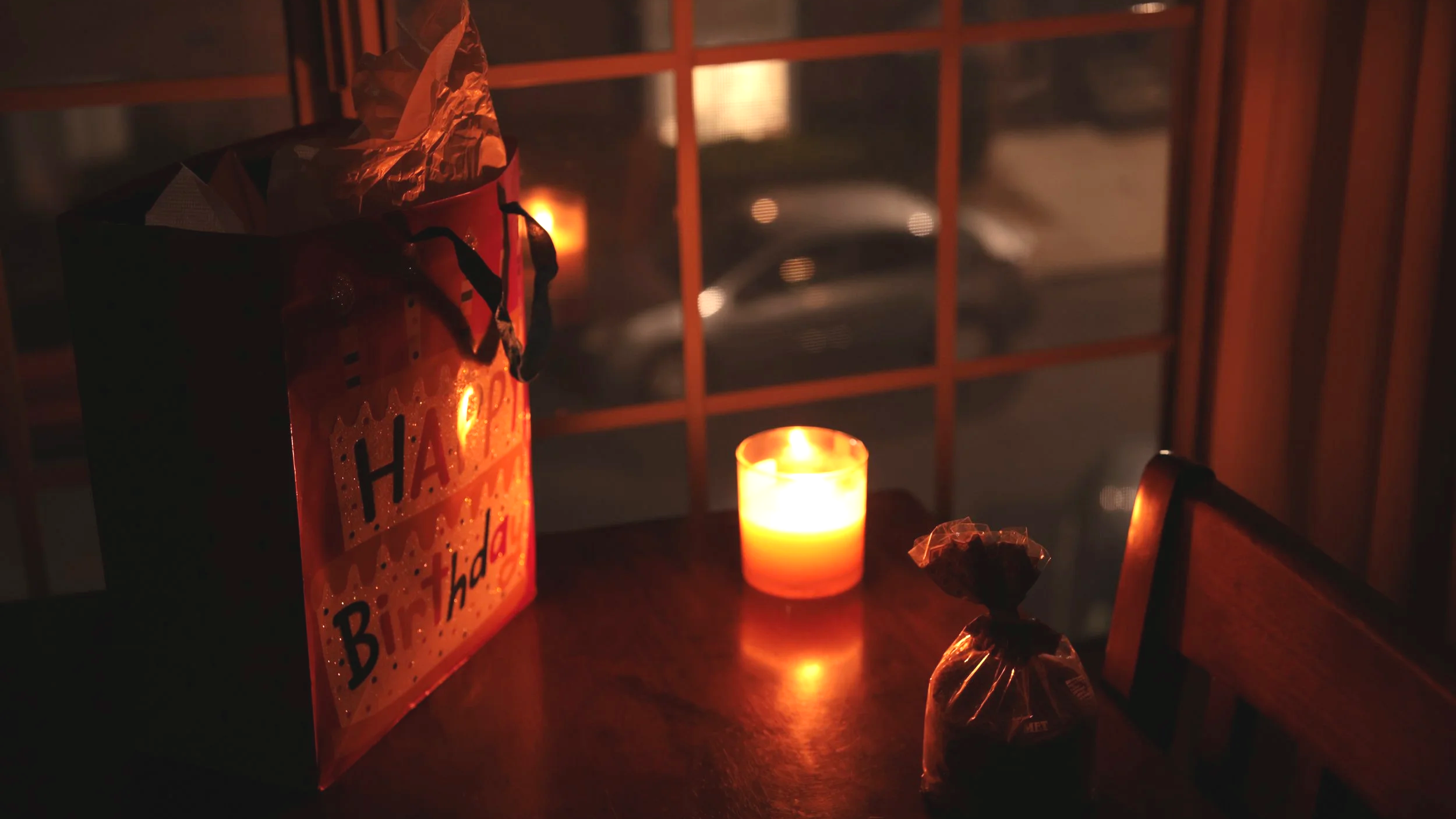
To shoot a point of emphasis, I focused on a particular motif that represents a certain point. For this series of photos, I chose to emphasize a point of isolation. In this photo, I wanted to simulate a moment that represents warmth in the aftermath of an isolating incident. A candle highlights a dark living space where there looks to be an unopened birthday gift and a bag of sweets. It’s night outside the candle is the only life in the frame. It ignites the scene with a warm feeling of hope. Many can recall moments in their lives where they have had to experience happy moments alone. Some birthdays have had to be spent away from loved ones or friends, but the warmth of the moment ensues anyway. It’s the warmth at the center despite having to experience things by ourselves.
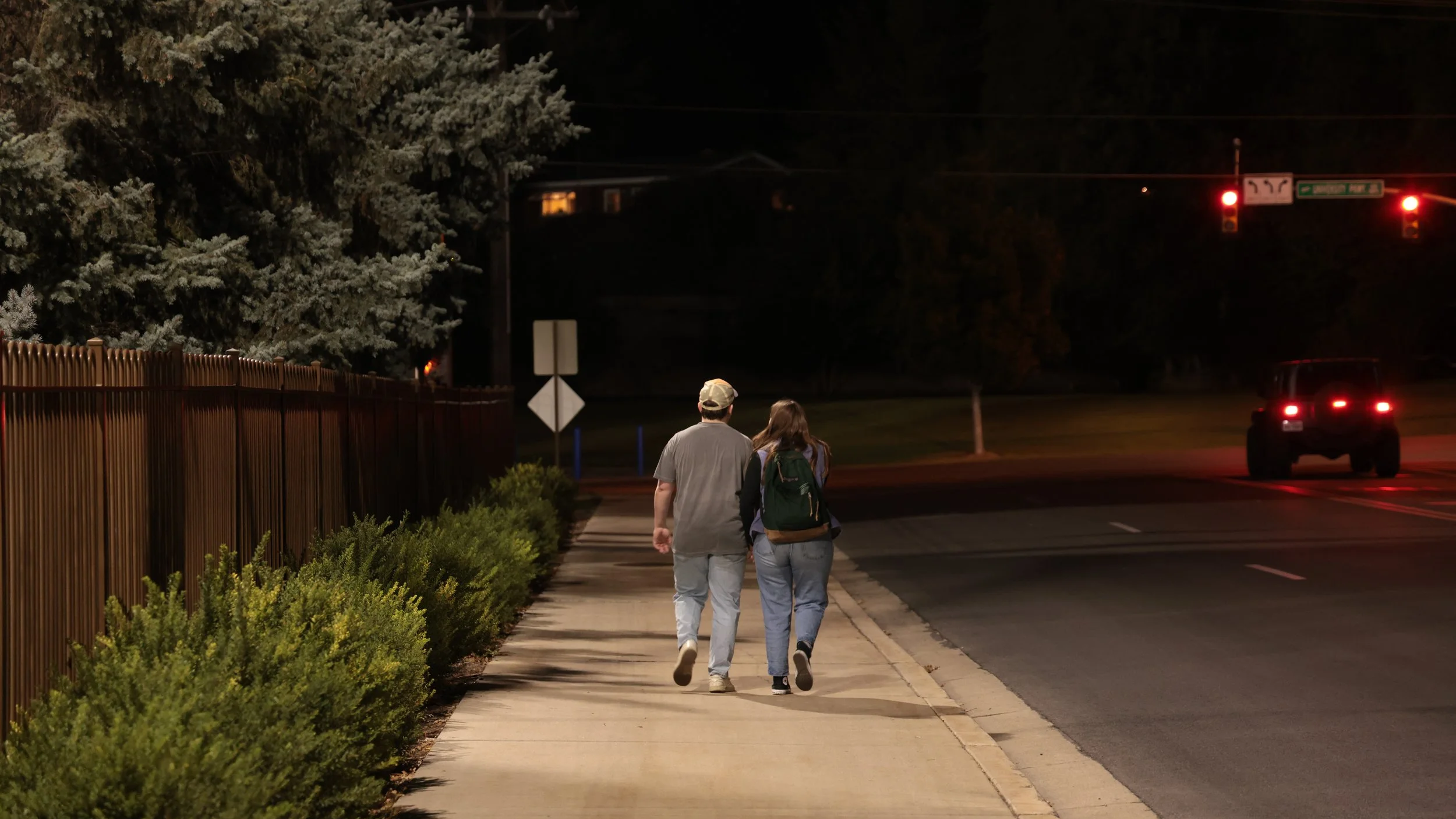
Isolation is not just the absence of all things. You can recognize the isolation in your environment and still pursue something worth while to fight loneliness. Love and romance is such a force as to render isolation an enemy rather than an acquaintance. I shot this particular photo at night because of how the light effects the scene. A couple walking down an enlightened path despite the world of darkness surrounding them. Perhaps they are walking into the darkness or the light follows them where they go; either way, they have each other. They presence is a helpmeet of the world they face. They face a world that promises them nothing while clinging to the one to whom they promised everything.
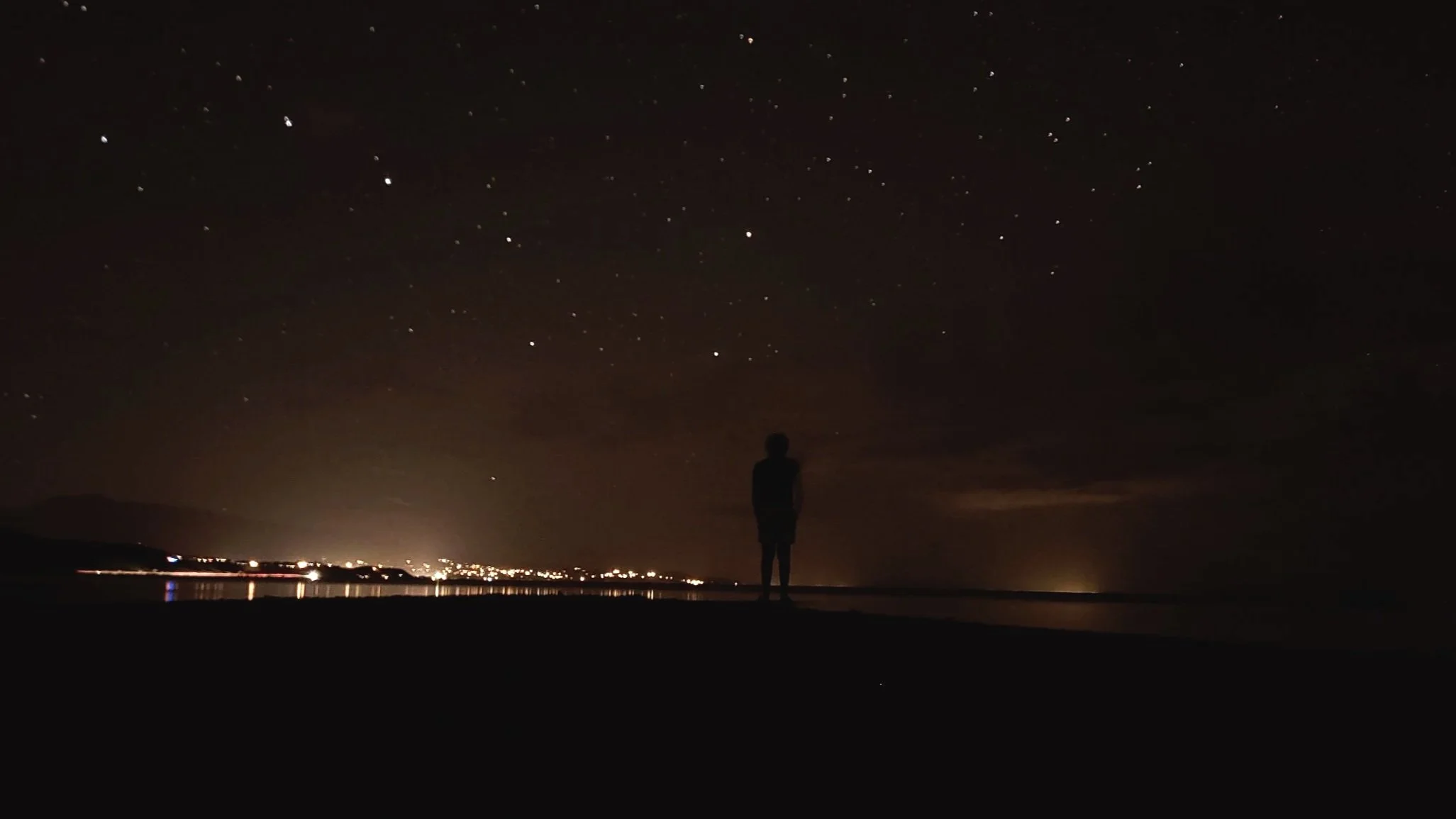
If one is truly alone, how can they continue to fight? To what end must someone give up their journey? It’s been said that those who want to travel fast go alone, but those who want to go far must go together. There are some who feel they have no choice but to go alone. Some artists have sacrificed personal relationships, their character, their belongings for a level of talent and recognition not many thought possible. Society has a place for these people and we’re inspired by them every day. What keeps them going? In this photo, I place a silhouetted figure amongst the stars looking out at the lights of some far place. You can see that there is a body of water that separates them. The figure spectates at this view wondering if they can gross this divide that separates them from their dream. This is a task no one can accomplish for them; it’s up to them to accomplish alone.
Space Exercise
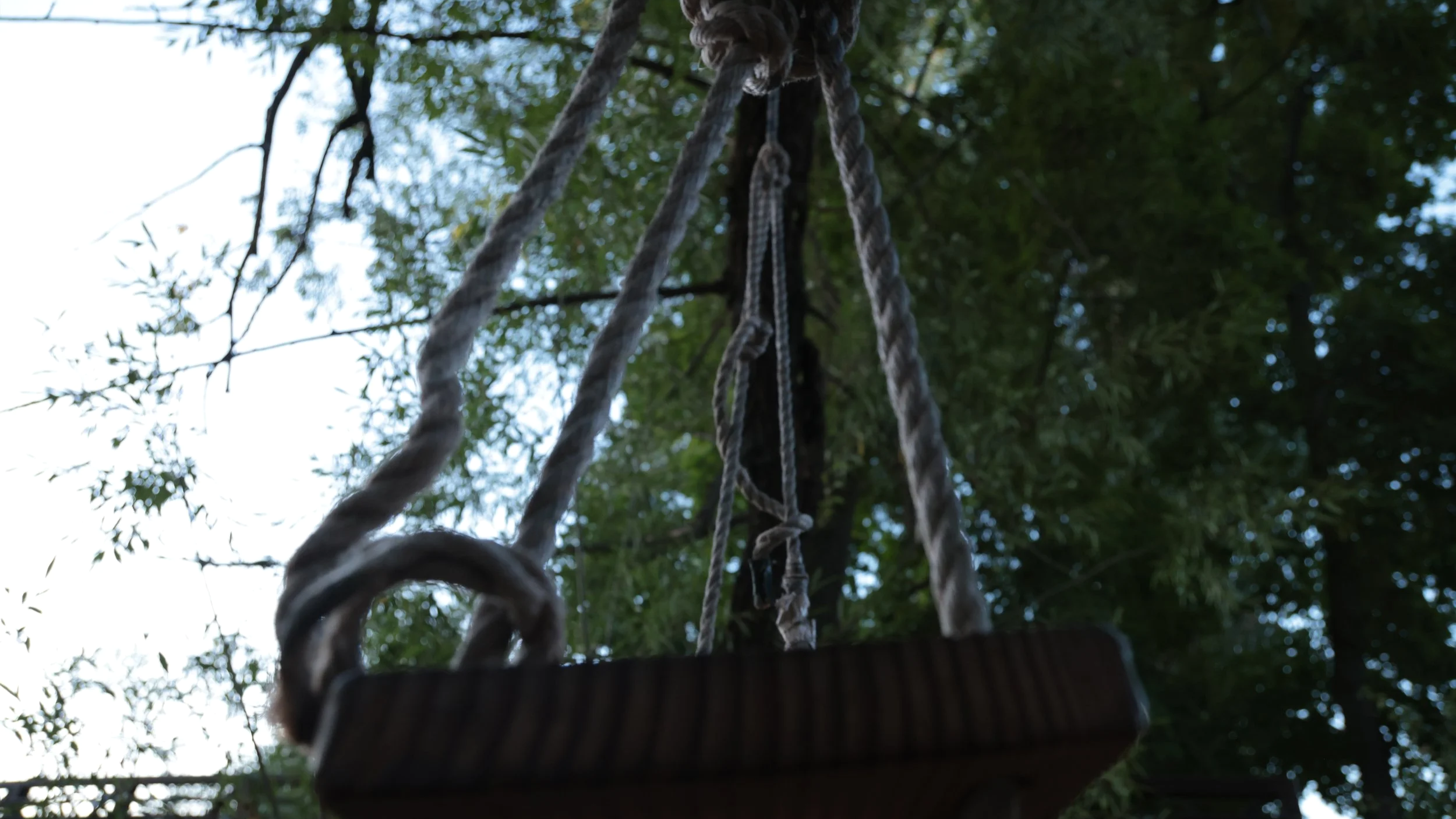
If convergence means the aligning with two lines to a point, what example of that can we find in real life? Maybe the convergence of the innocence of childhood objects with the supporting force of nature? With this photo, I wanted to use geometry to align key shapes of childhood with the natural geometry found in nature. I used a common object related to adolescence; a swing. Aligning the triangular shapes on the swing with the vertical line created by the tree, the metaphor I wished to capture is the convergence of childhood to being one with nature. Childhood is a natural occurrence (not unlike a growing tree) and one day, we “go the way of the earth” as is said. We all reach the same end, thus dictated by law meant for all inhabitants of the earth.
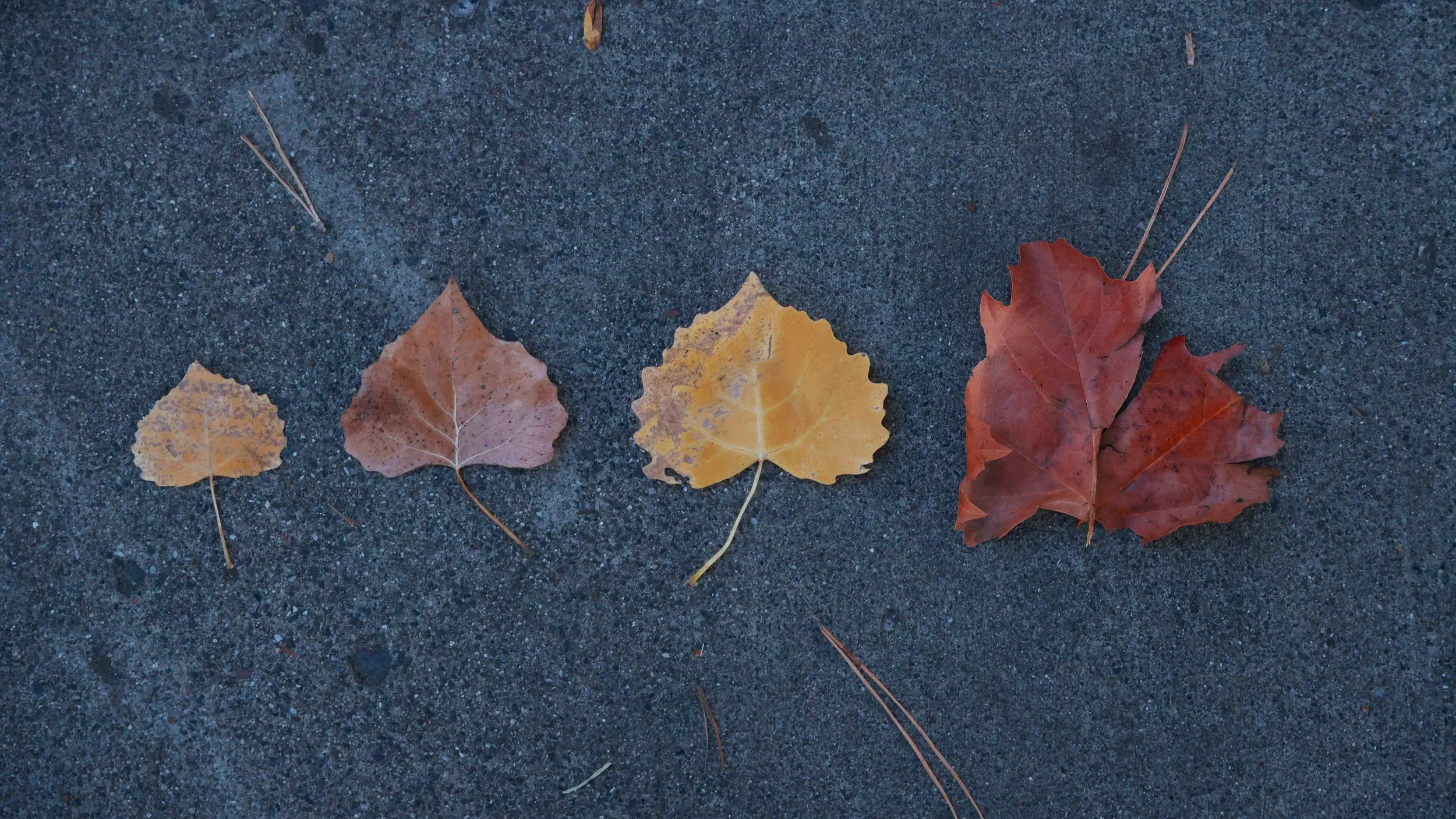
Nature has provided an essential law of power understood by conscious inhabits of the earth since the beginning: bigger = stronger, smaller = weaker. In this photo, I wanted to experiment with what I could find to differentiate what makes something stronger and weaker. I made this succession of dying leaves at the middle of the transition into the fall season. What I found most interesting is the color difference having almost an inverse ratio to the integrity of the leaf itself. The biggest leaf on the very right was two separate pieces that I placed together; but notice how vibrant it’s colors are compared to the smaller leaves to it’s left. No major color editing was made for this photo to differentiate them; this was a naturally occurring phenomenon. Despite it’s age and weaker structure, it still breaths so much life. Individuals that undergo major stress or damage may think themselves weaker or worth less; yet this evidence shows us that their color still shines bright and may cause them to have greater worth. Their size or their strength may not directly decide their worth.
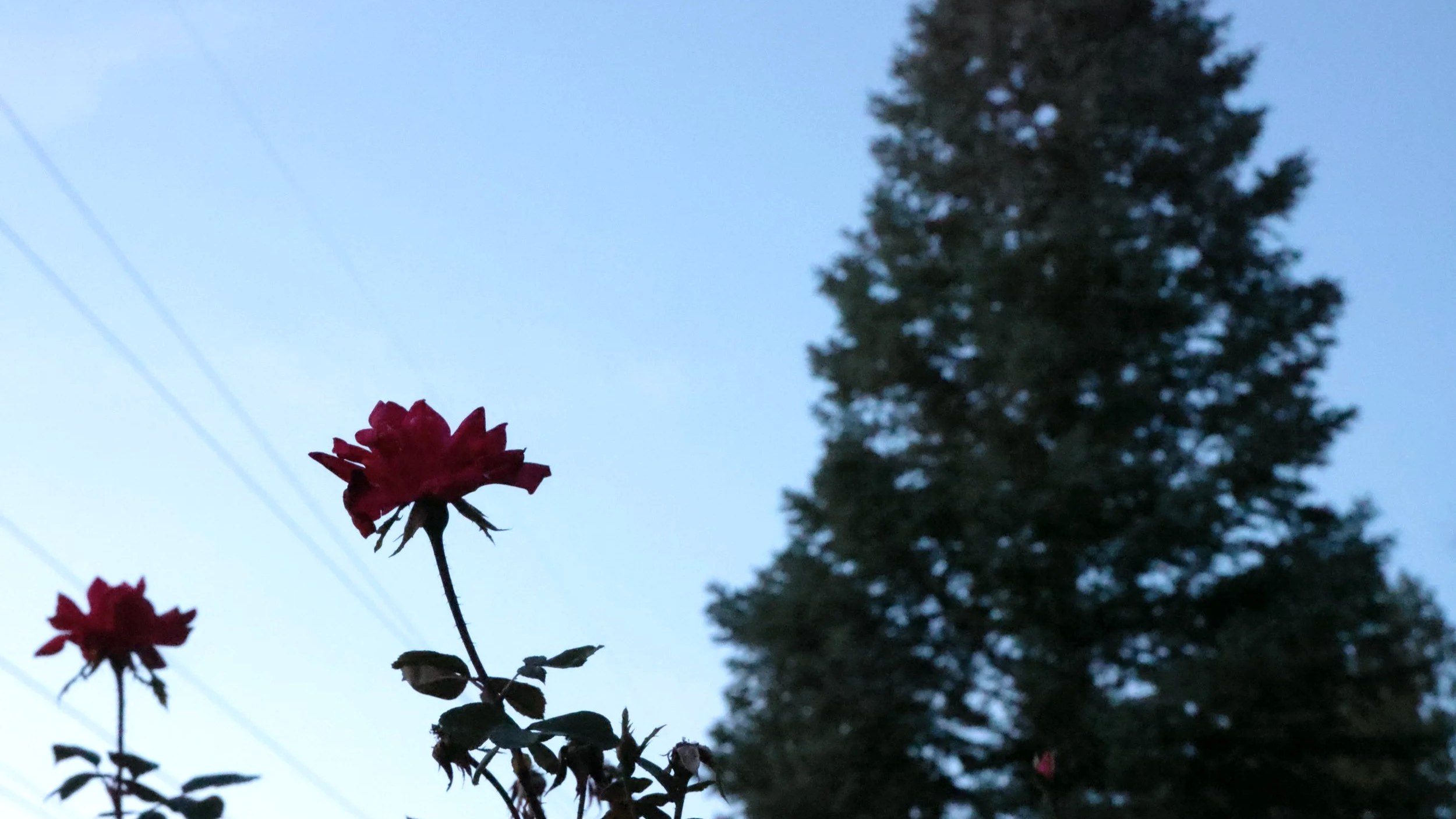
The challenge for this photo for me was to try to capture a naturally occurring tonal differentiation between two objects. With this photo I tried to differentiate the figure of a rose with a tall oak tree. The rose, with its sprouting bud with colorful pedals equates to young beauty and innocence, while the oak represents a strong and determined base with the purpose of continuing to grow wide and taller. It provides no individualized beauty like that occurring with a rose, but a group of flowers is a garden while a group of trees is a forest. While I think this photo doesn’t differentiate the flower against the tree to capture this feeling I wanted, I think it successfully compares these two plants and what their purpose is. Because they accomplish different things, do they need to be at odds with each other? Is one more beautiful than the other while one is stronger than another? Comparison is palpable in today’s culture and we could strive for a better appreciation for each other rather than preferring one against another.
Limited, Flat, and Ambiguous Space
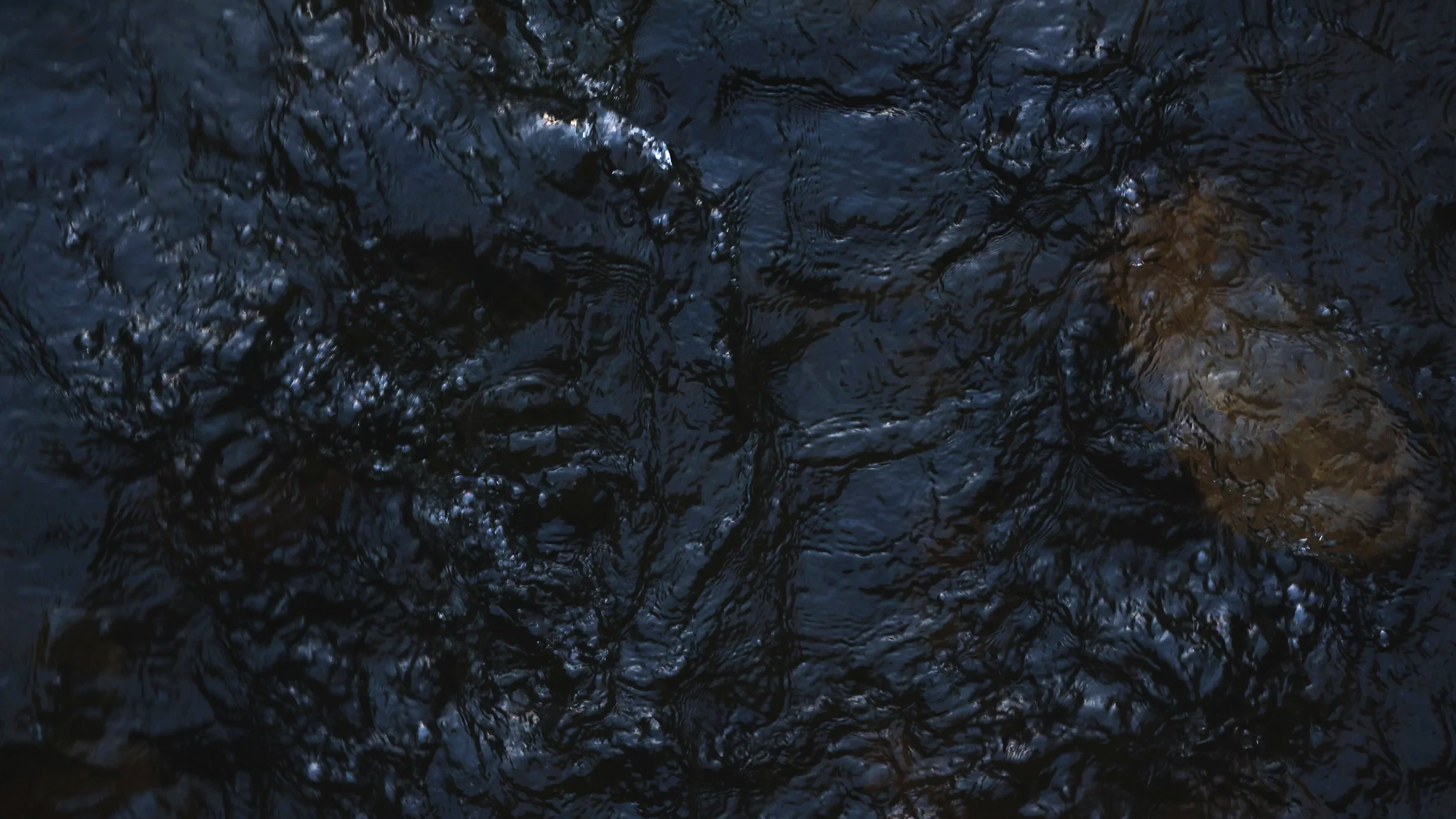
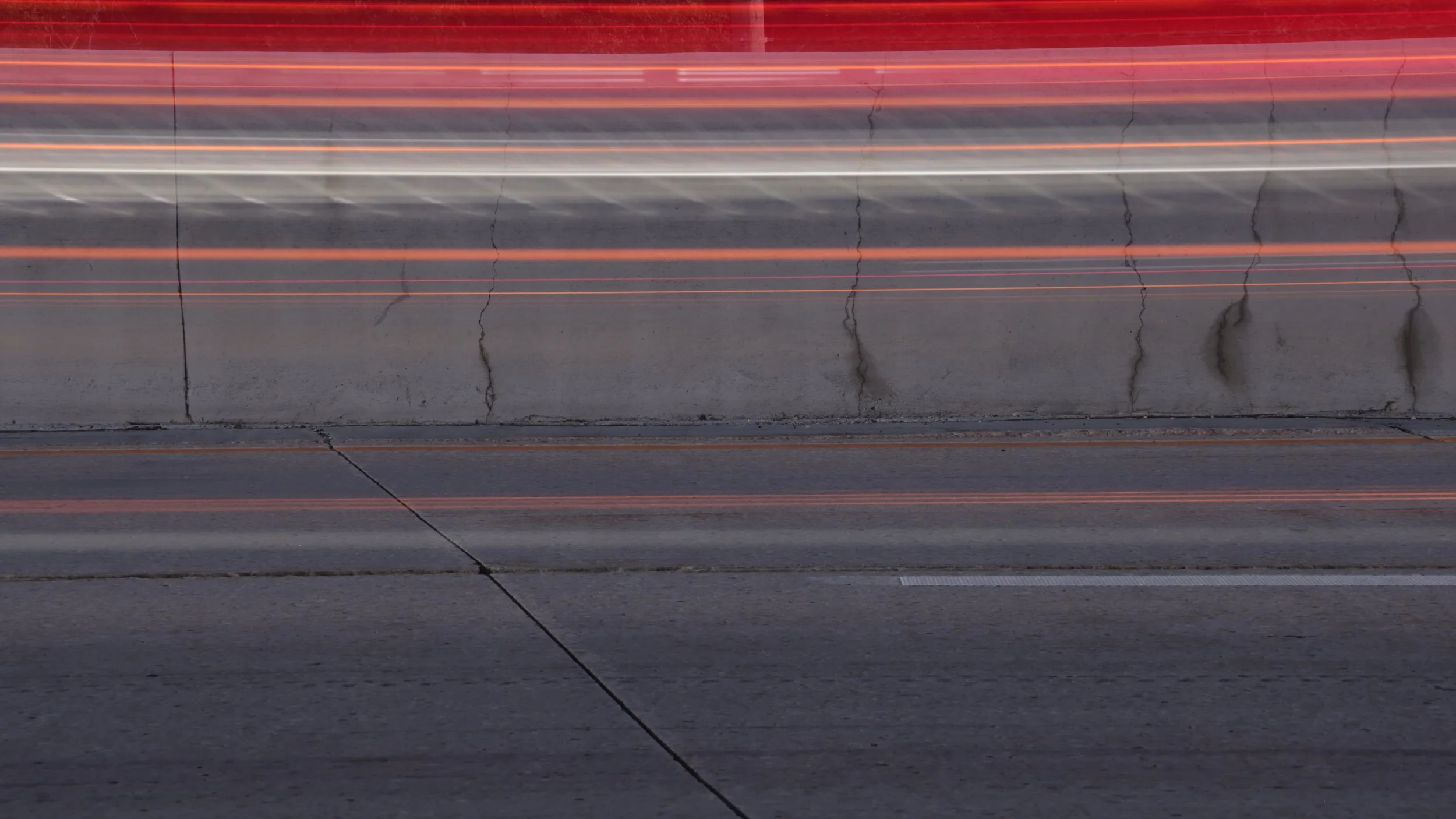
When you provide an audience with an image that is deep, it allows them to feel grounded and present and as a participant. When one chooses to create an image that is ambiguous in space and lacking depth, it robs them of a sense of being grounded; it puts them in a reality that allows them to feel unrestrained in a three-dimensional space. Still, we can still find certain textures or images familiar and that's what draws us to ambiguous images, such as those of the elements. Water, for instance, can be both a very welcoming and inviting but also dangerous element of nature. The perspective I choose to give it keeps wondering if we're just gazing into a river or falling into an ocean. It is this mistrust of ambiguous space, and this lack of depth, that allows our imagination to decide whether we are in danger or being invited.
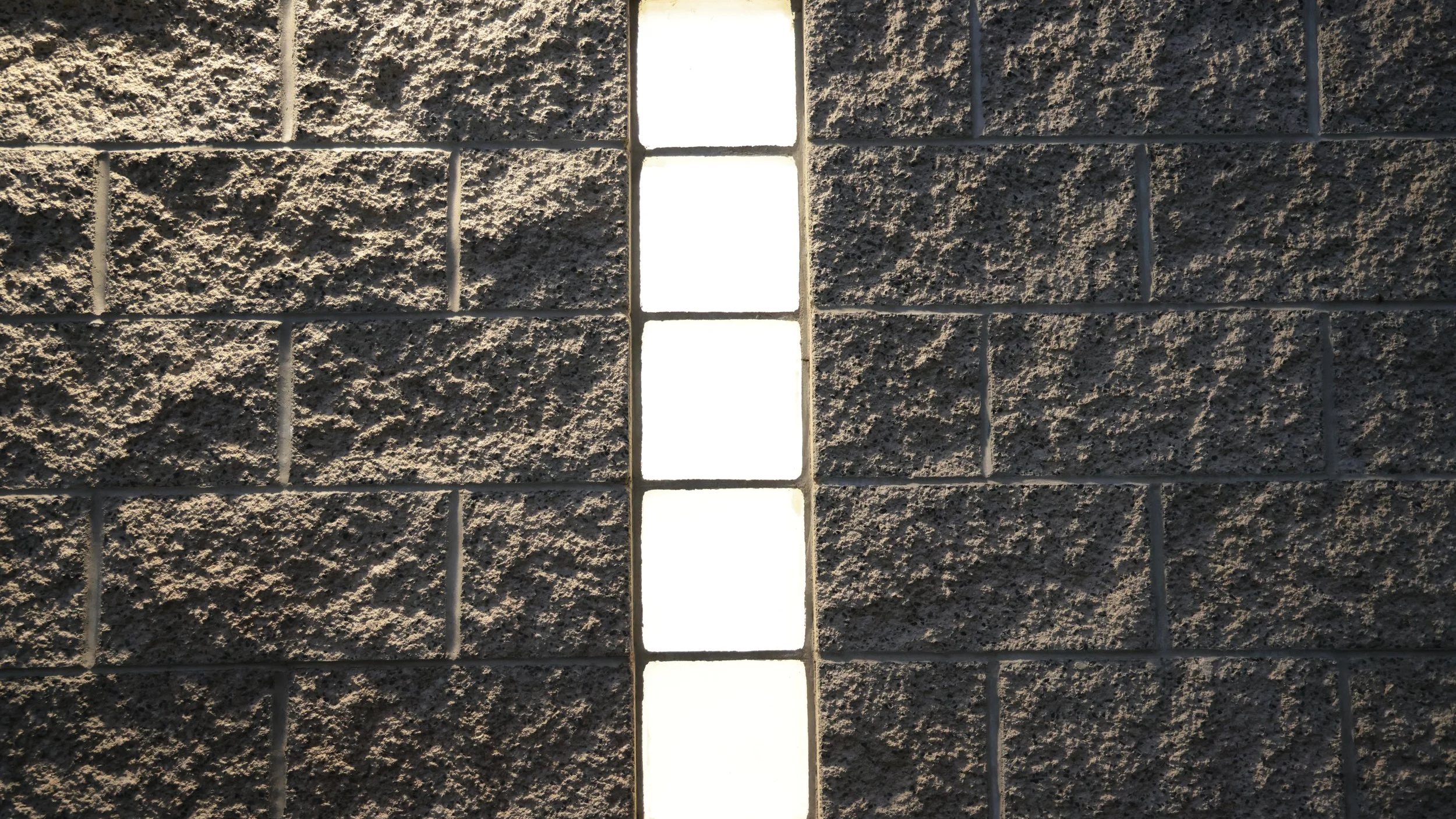
I would argue that a flat space, or a plane with no detail, is arguably one of the deepest planes or objects a human mind can conceive. It is easier to draw a masterpiece or paint a portrait on a blank canvas than on the side of a rock. Therefore, my argument is that no flat surface can ever truly be without detail or without meaning. This flat space that I have captured contains more elements than just a flat surface. The angle at which this photo is taken is flat. But the details include the texture of the bricks and the contrast of light, both behind it and in front of it. Notice how uneven the framing of this photo is; that was unintentional, and yet there's so much geometry in straight lines and rectangles that give this the feeling of shape and geometry. As evenly structured as this object is, it feels unnatural.
It doesn’t take too long to guess what this image is. In fact that familiarity is what made me most curious to experiment with what I could accomplish using the different functionalities of a camera. Light behaves in such a way as to become the source of it’s own depth and tone. In an image of limited space, it then falls onto the artist to decide just what kind of depth is going to be shown in this scarce understanding. Notice how no colors from the bodies of the cars are visible? Only the streaks of light have made it to overtake this image. There are natural patterns of light captured here that were not anticipated. The lines on the concrete try to give us depth, but our subconscious is left wondering what inhabited this empty space. This image has an uneasy quality; there are too many elements competing for attention. In a limited space, there’s only so much allowed to coincide.
Tone Exercise
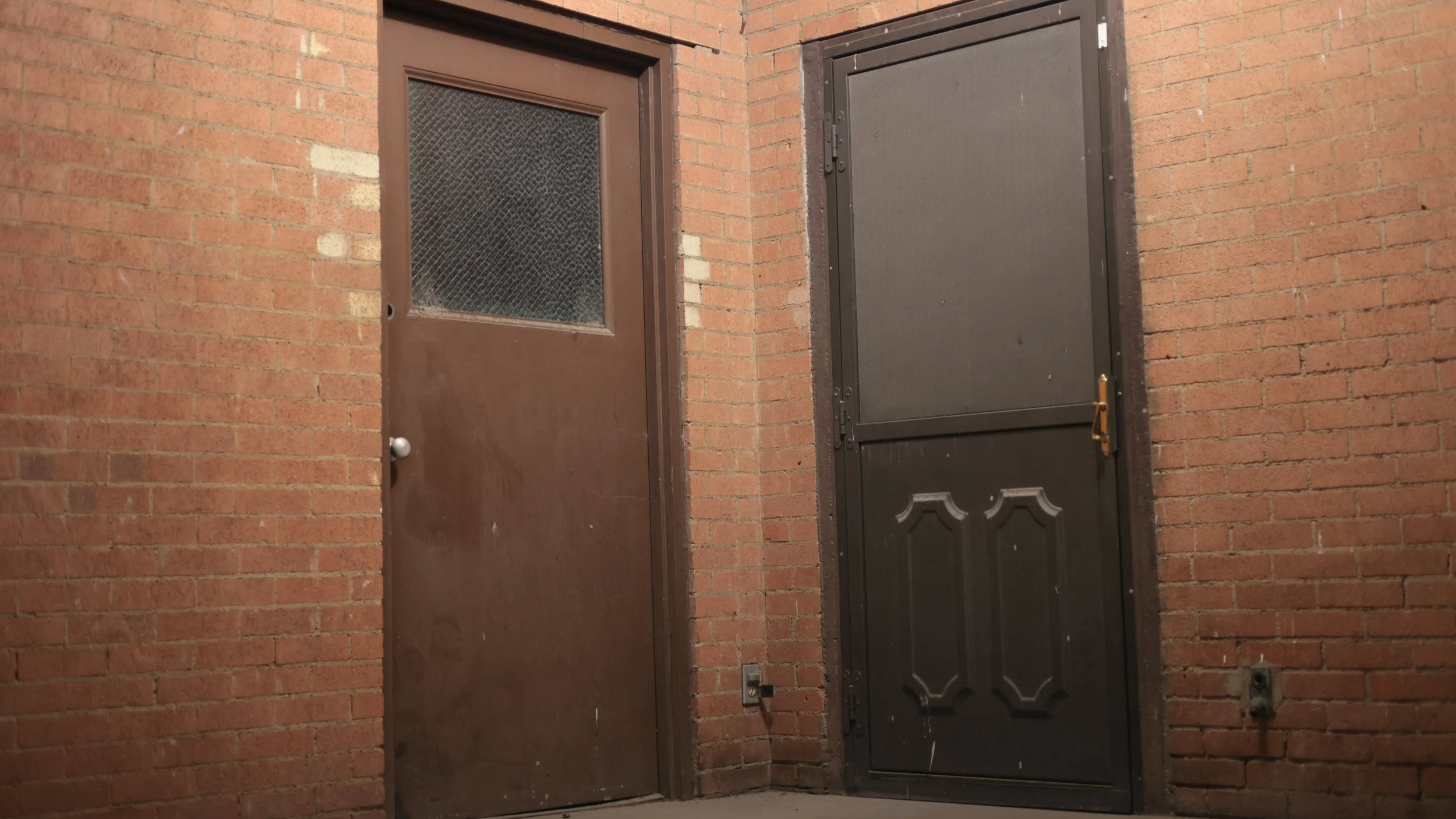
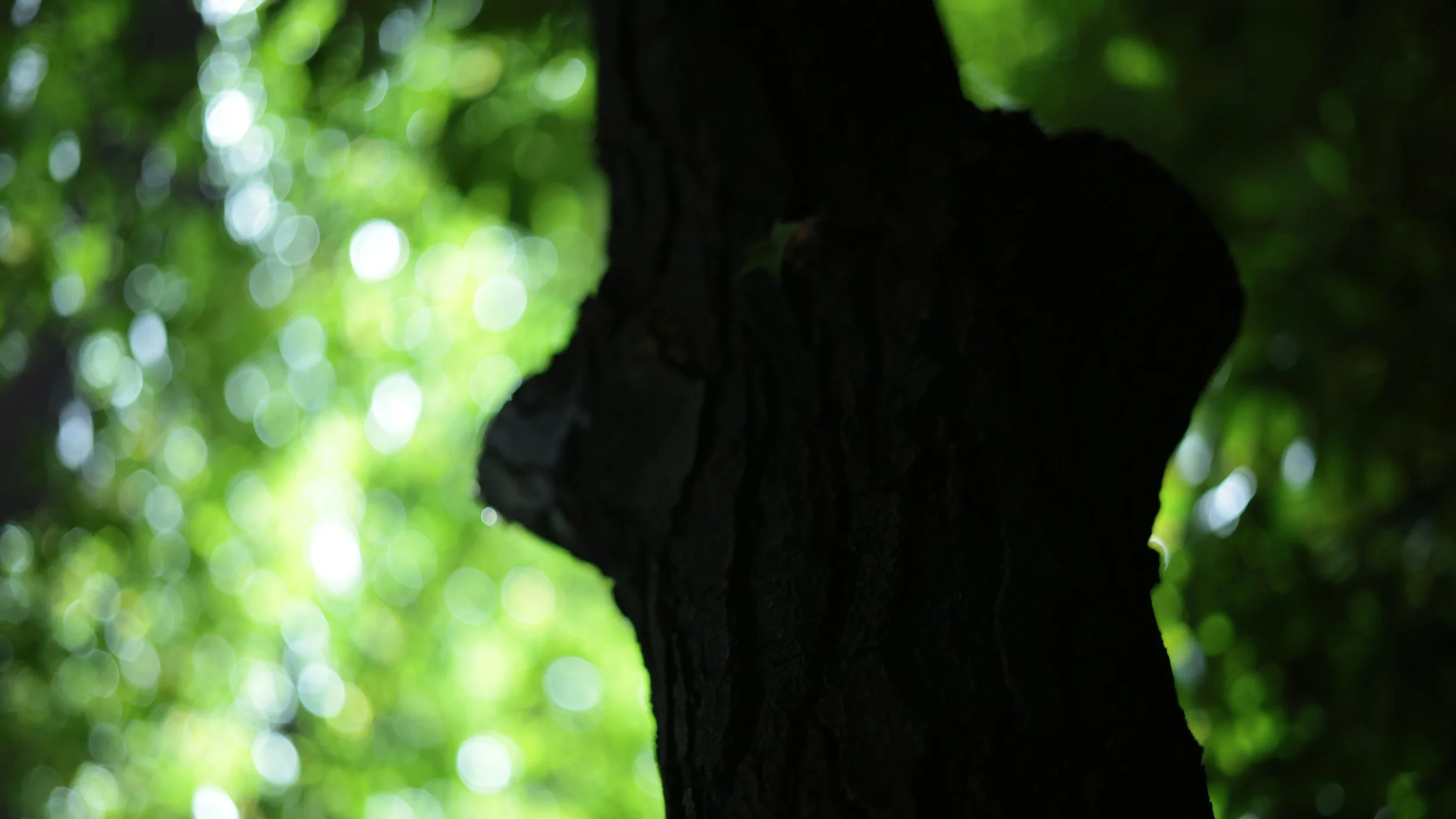
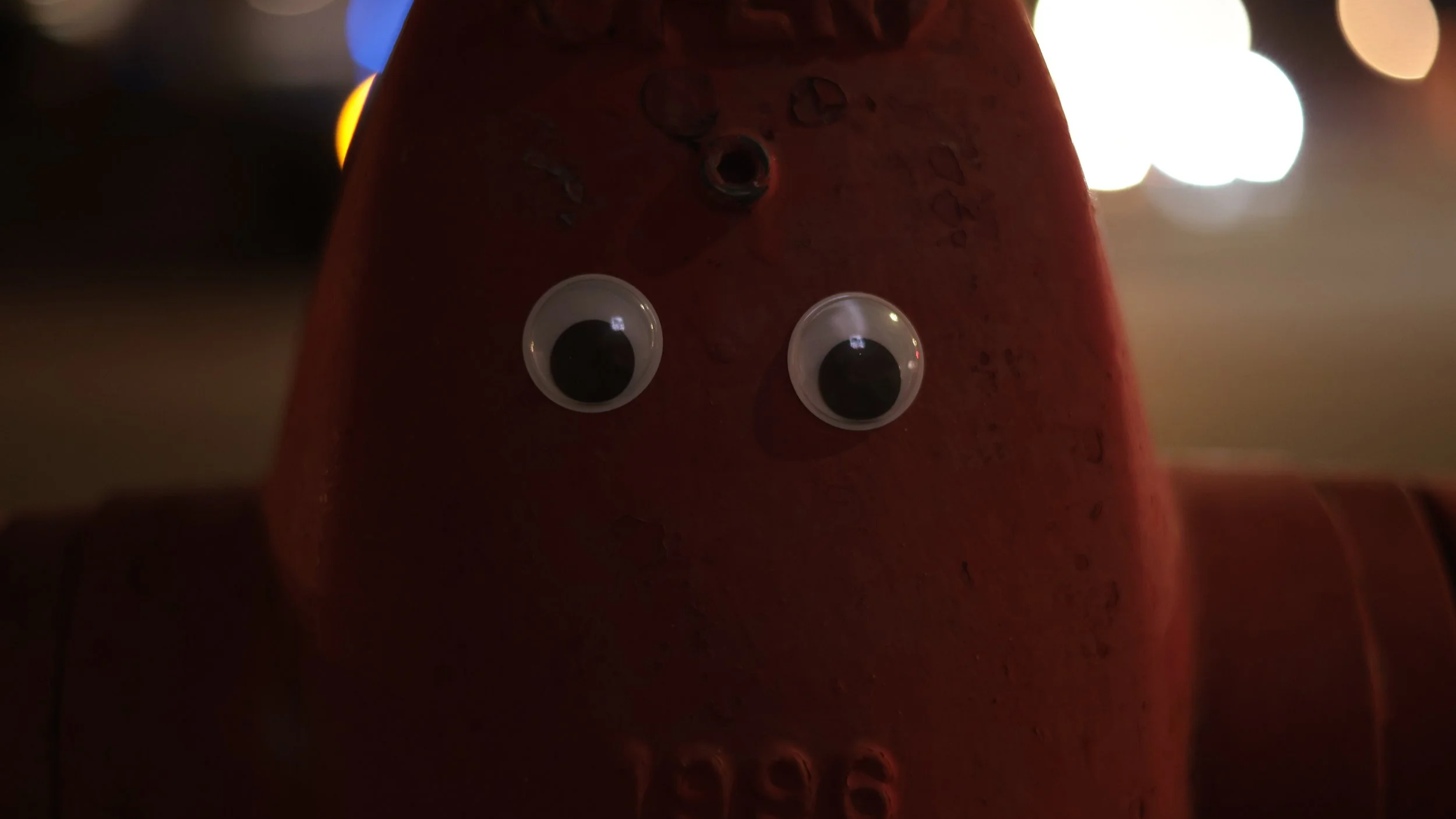
Affinity of tone is the levels at which the white to black value of color are close enough to not see enough notable contrast. Theses doors are similar colors, but different to the brighter colored brick wall that they sit in. I think often what an effect light has in creating depth. It can signify an objects distance, but also their importance.
Contrast of Tone - It’s particularly interesting in how contrast of tone can be used to differentiate and define an object within the world in which the artist puts it. A dark object in the midst of light can be seen an outsider or that sadness lives in solitude in a world that merely pretends to be joyful. Inversely, a bright object in the midst of darkness commonly signifies hope; a fighting force of good in the overwhelming evil.
Coincidence of Tone - How light interacts with the subject is also an art that demands to be mastered. How a subject is revealed (or concealed) is done in such a way as to either be welcomed or enslaved to the background before it. A subject engulfed in some light may use what power the light gives to show itself. This coincidence of tone is what allows us to view a character plainly in the same (metaphorical) light as what is implied by the visible light source.
Color Exercise
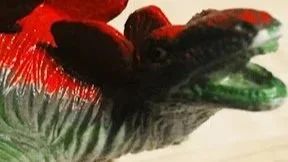
With these contrasting colors in the frame, (red and green), we make an image have more contrast by allowing our brains to easily differentiate the two colors to make one shape.
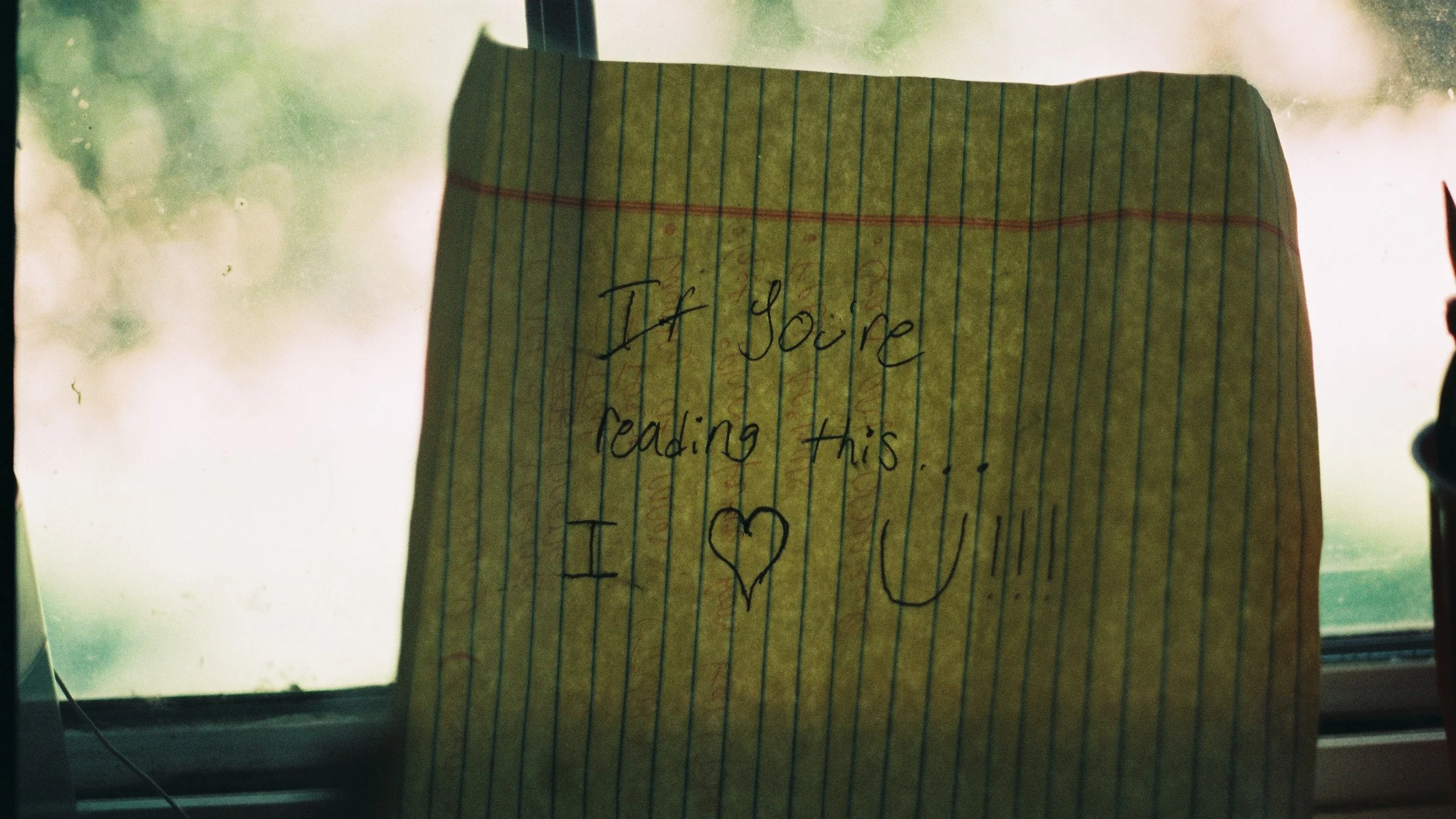
Color affinity helps to create a consistent feeling and tone within an image. The whole image blends together as one emotion and feeling comes across the viewer.
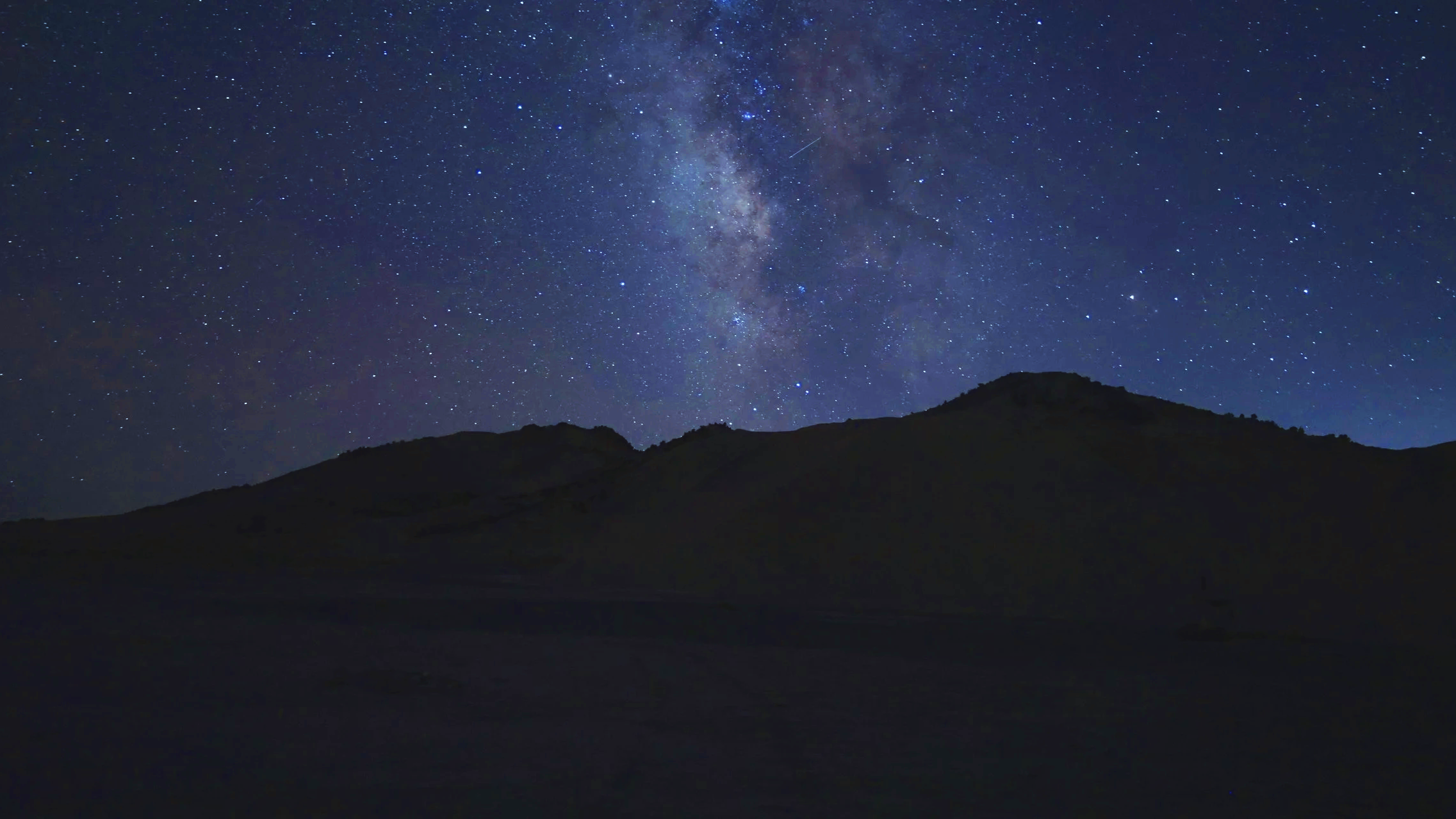
The coolness or the warmth of an image has created an innate meaning for the human consciousness. Coolness has come to represent the power of the night (like the light of the full moon) while the natural warmth of the earth comes from the sun.